Hands-On Investigations for Grades 6–12
Blending the Strengths of Digital and Hands-on Learning
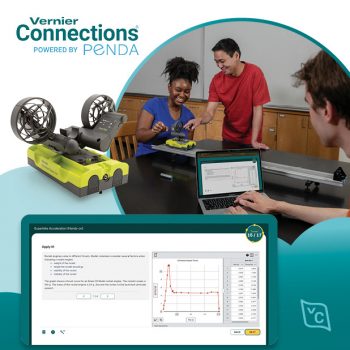
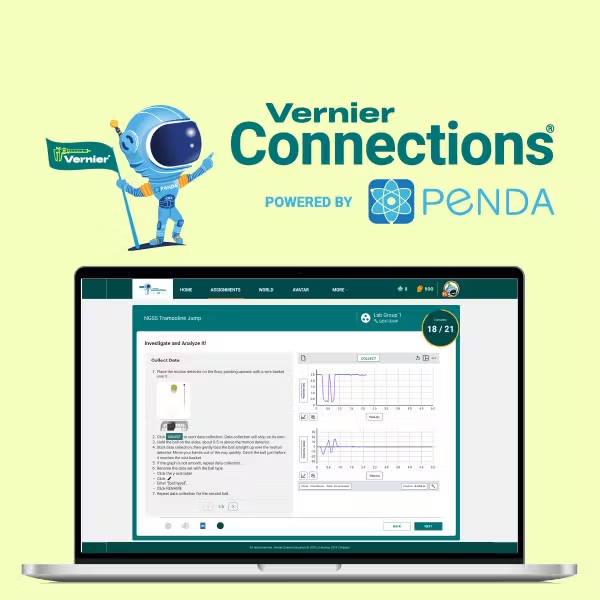
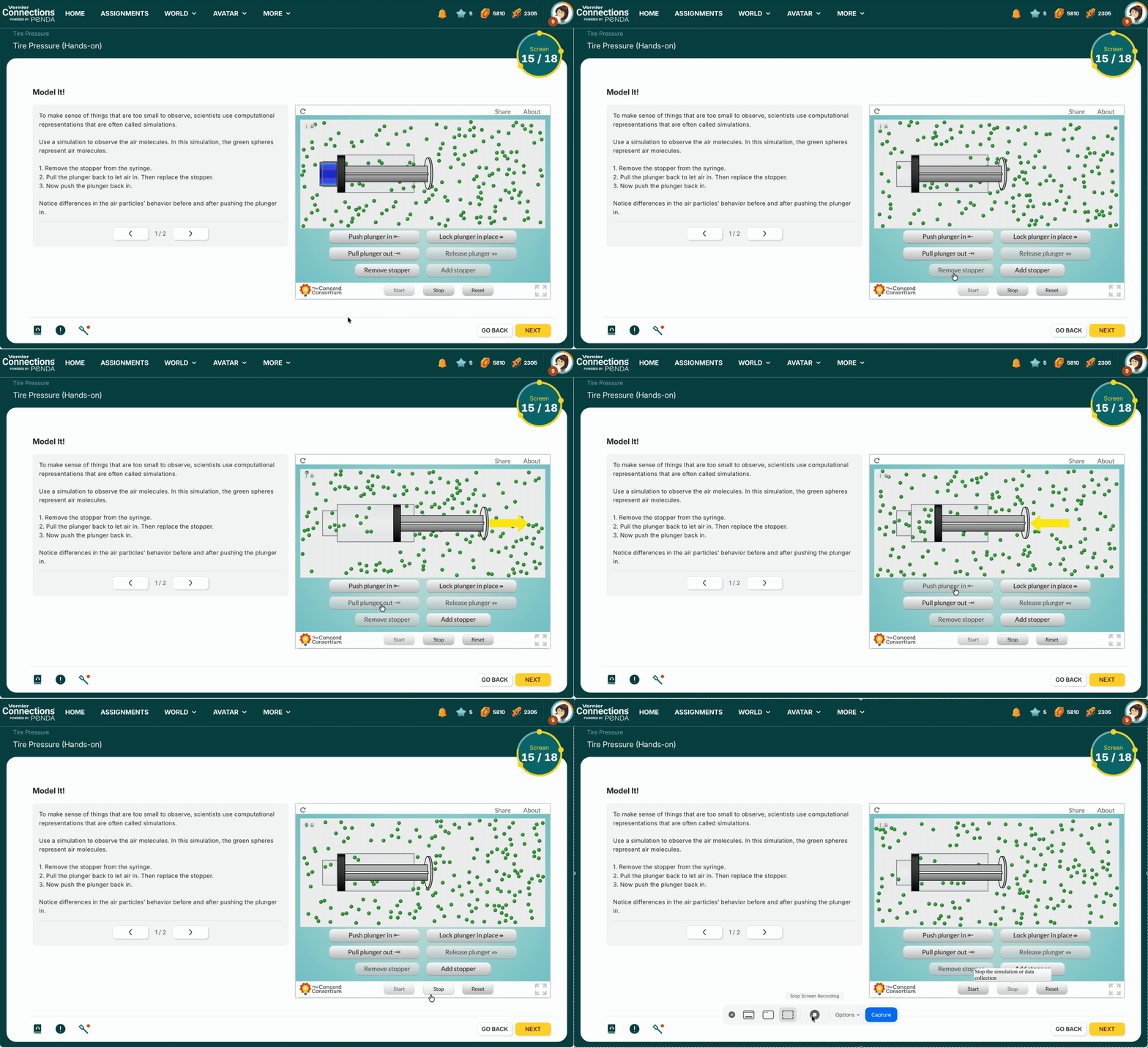
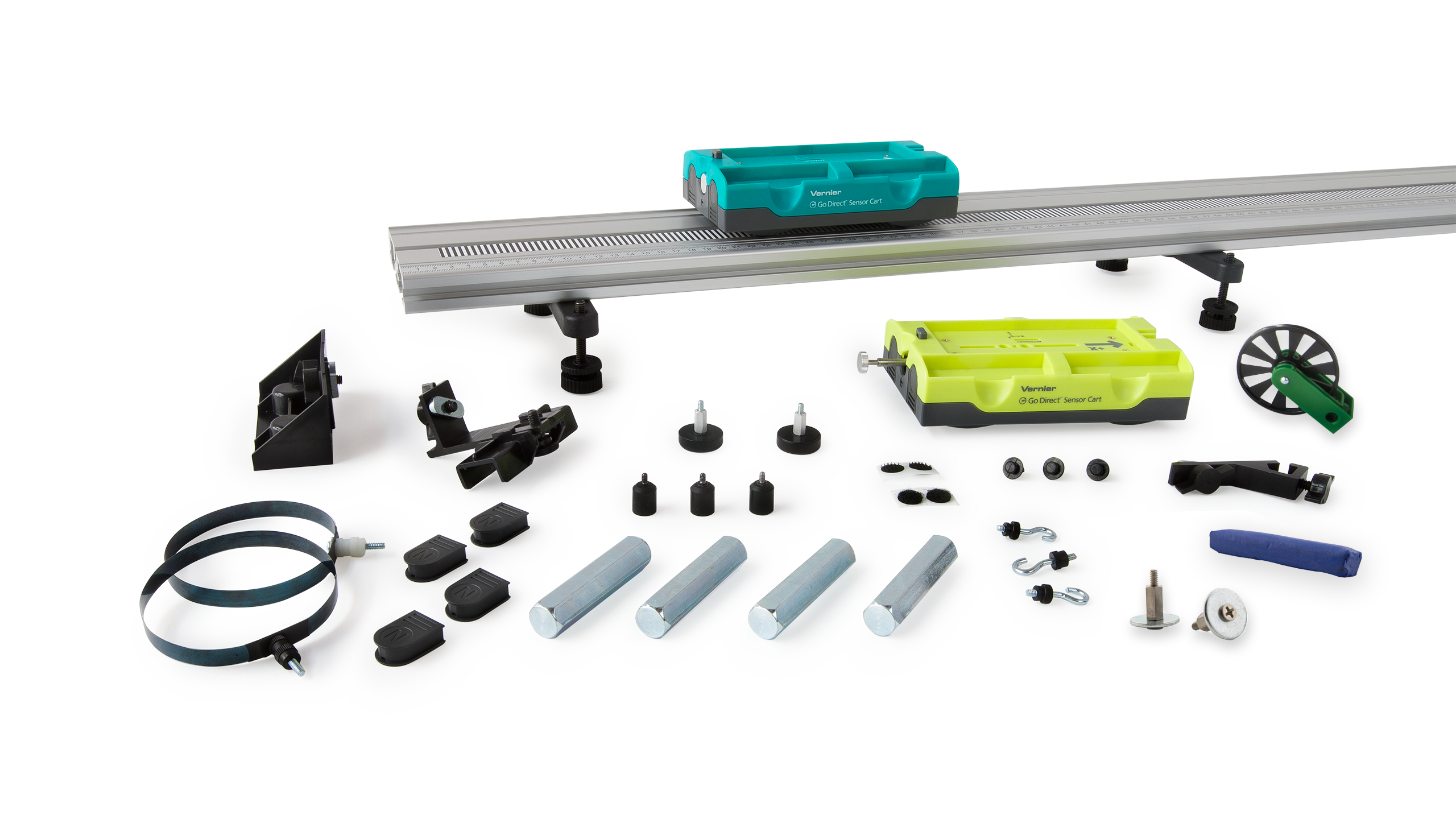
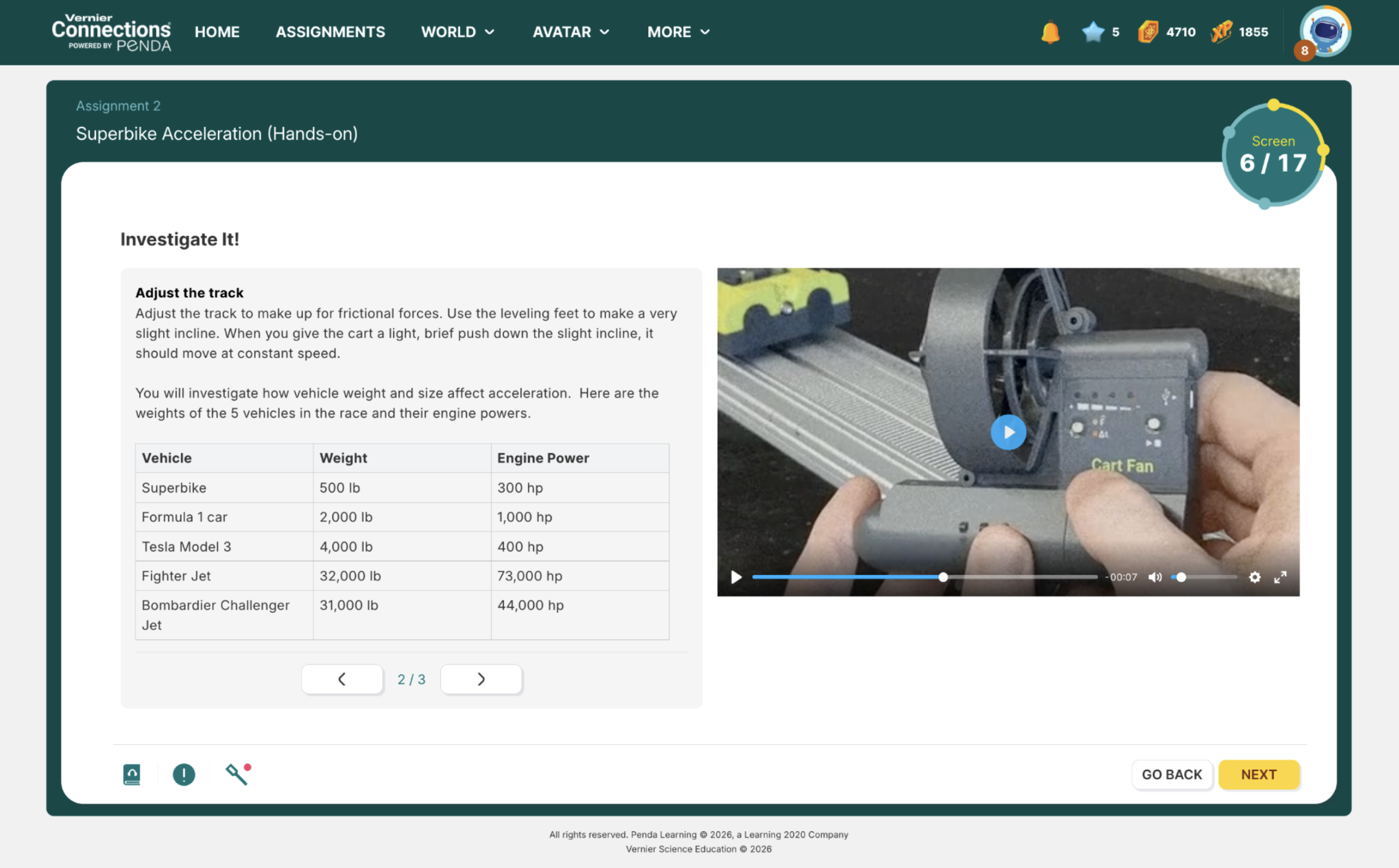
Vernier Connections® powered by Penda pairs digital, phenomena-based science instruction with hands-on investigation using Vernier Go Direct® wireless sensors—bringing live data collection into the digital learning experience. When students collect and analyze their own data, concepts become clearer, more relevant, and easier to connect to the real world.
Hands-On Investigations Built into the Digital Learning Experience
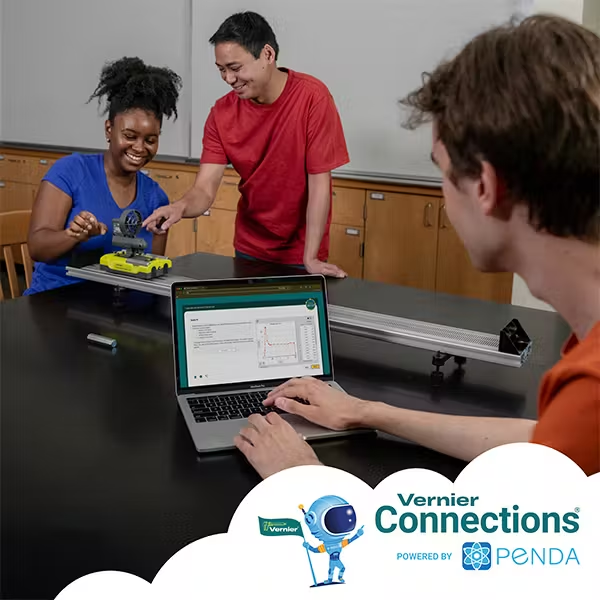
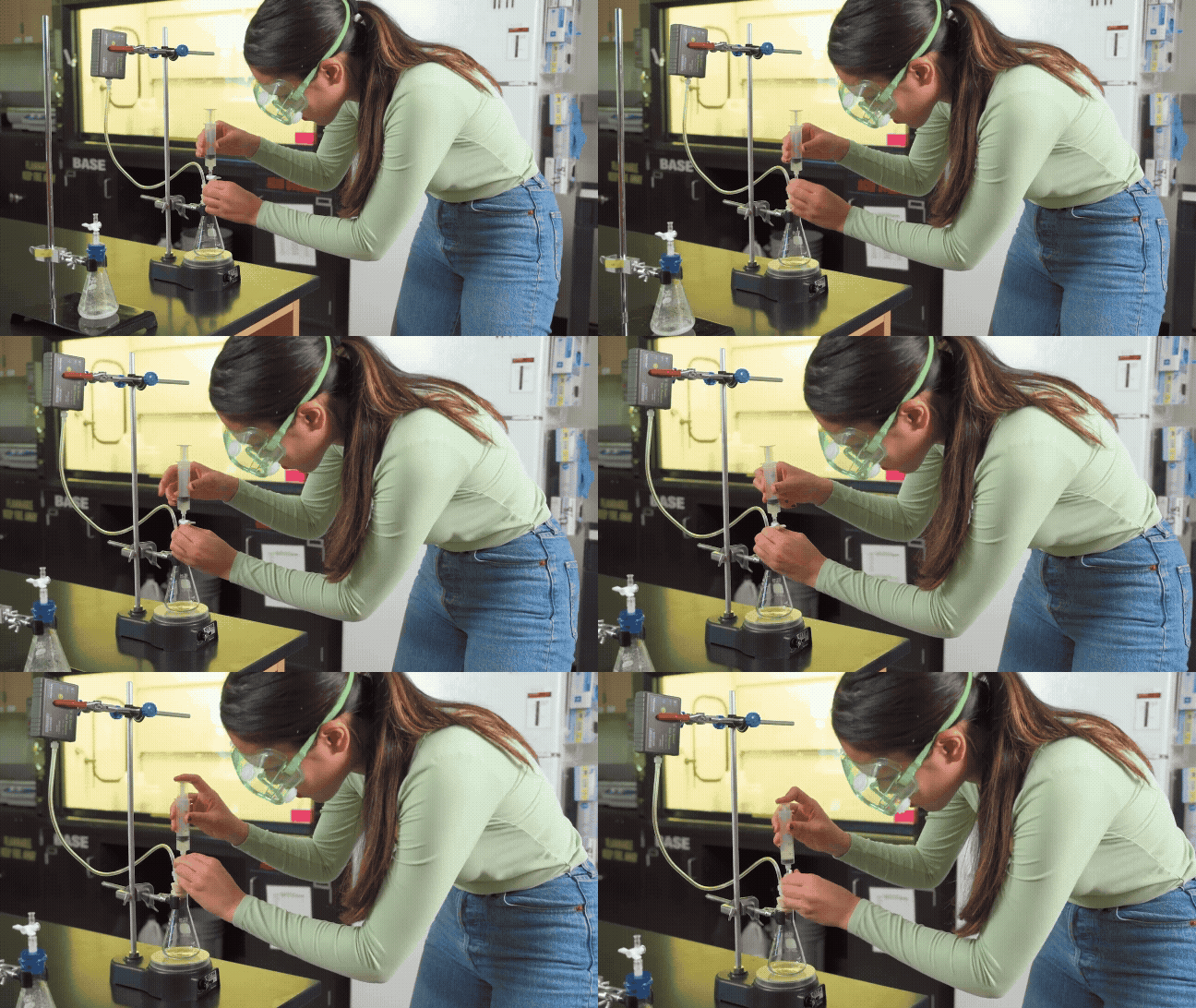
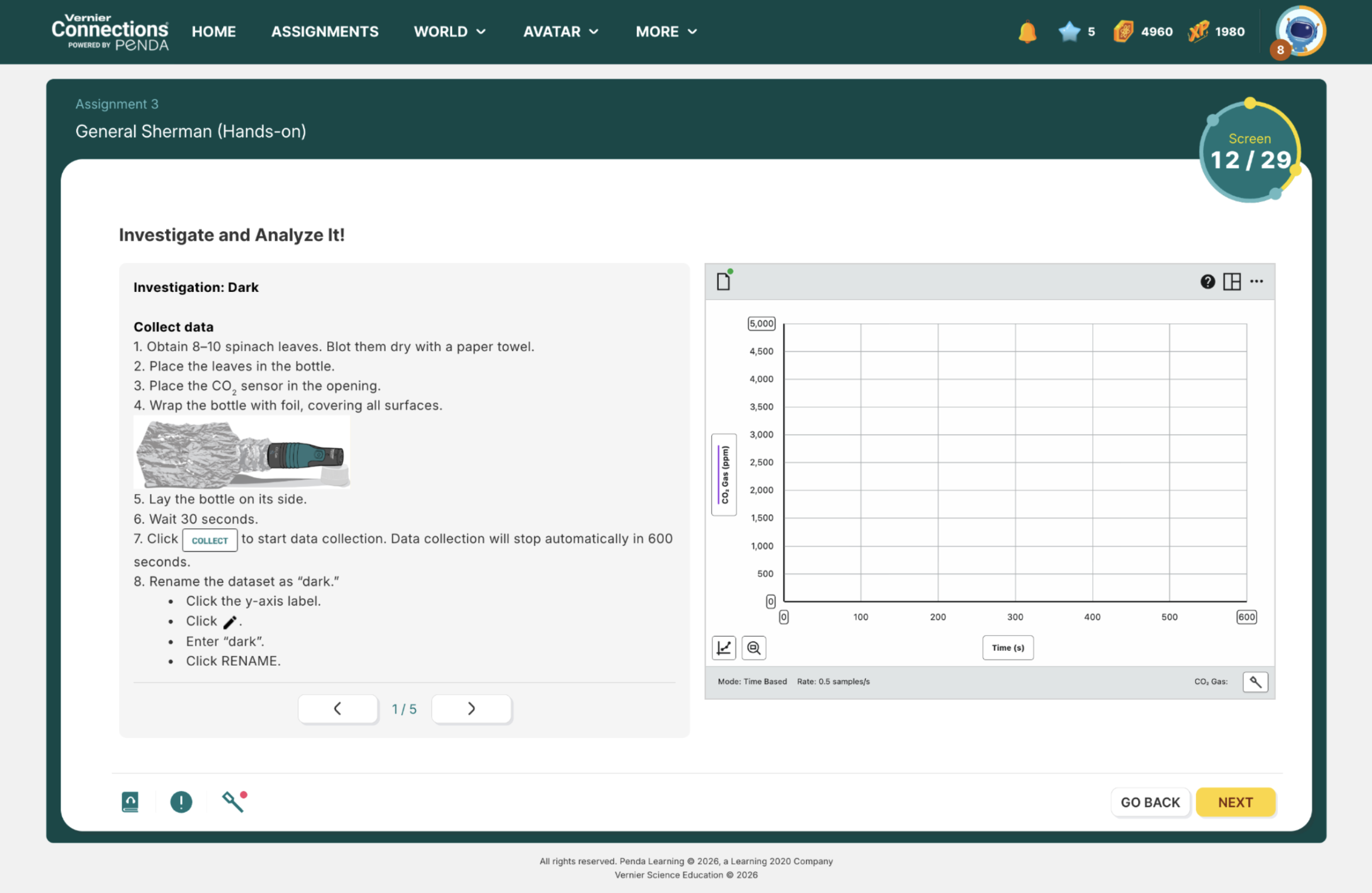
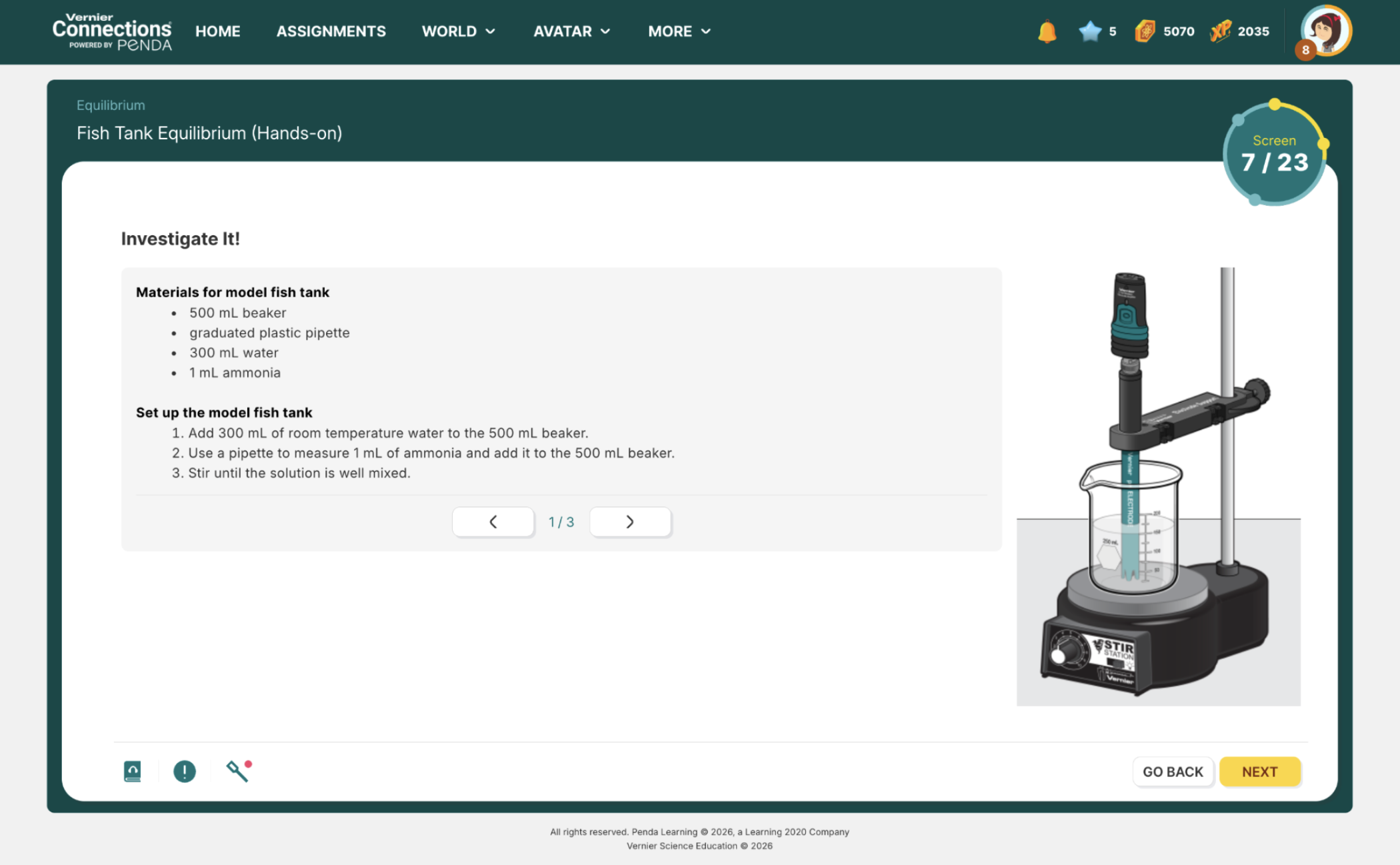
We hear it from educators all the time: nothing engages students like hands-on science. When students collect their own data, they own their learning in a way that no lecture or worksheet can replicate. Vernier Connections® lessons make that possible in every classroom—with three-dimensional, phenomena-based investigations built directly into the lesson sequence.
Students collect real experimental data, then use it to ask questions, build models, and construct evidence-based explanations. The platform makes it easy for teachers to manage lab partner groupings without any extra coordination needed.
Connect Using Vernier Sensors
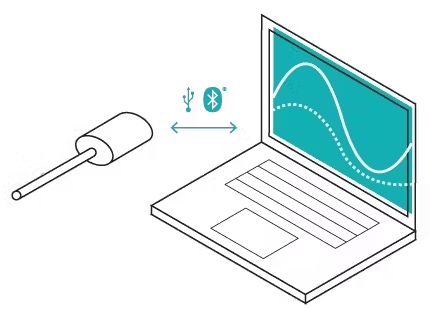
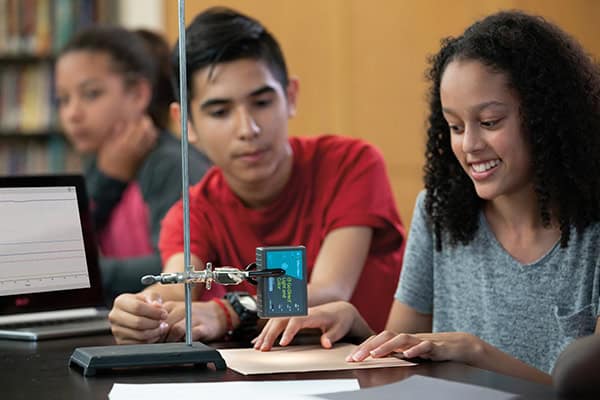
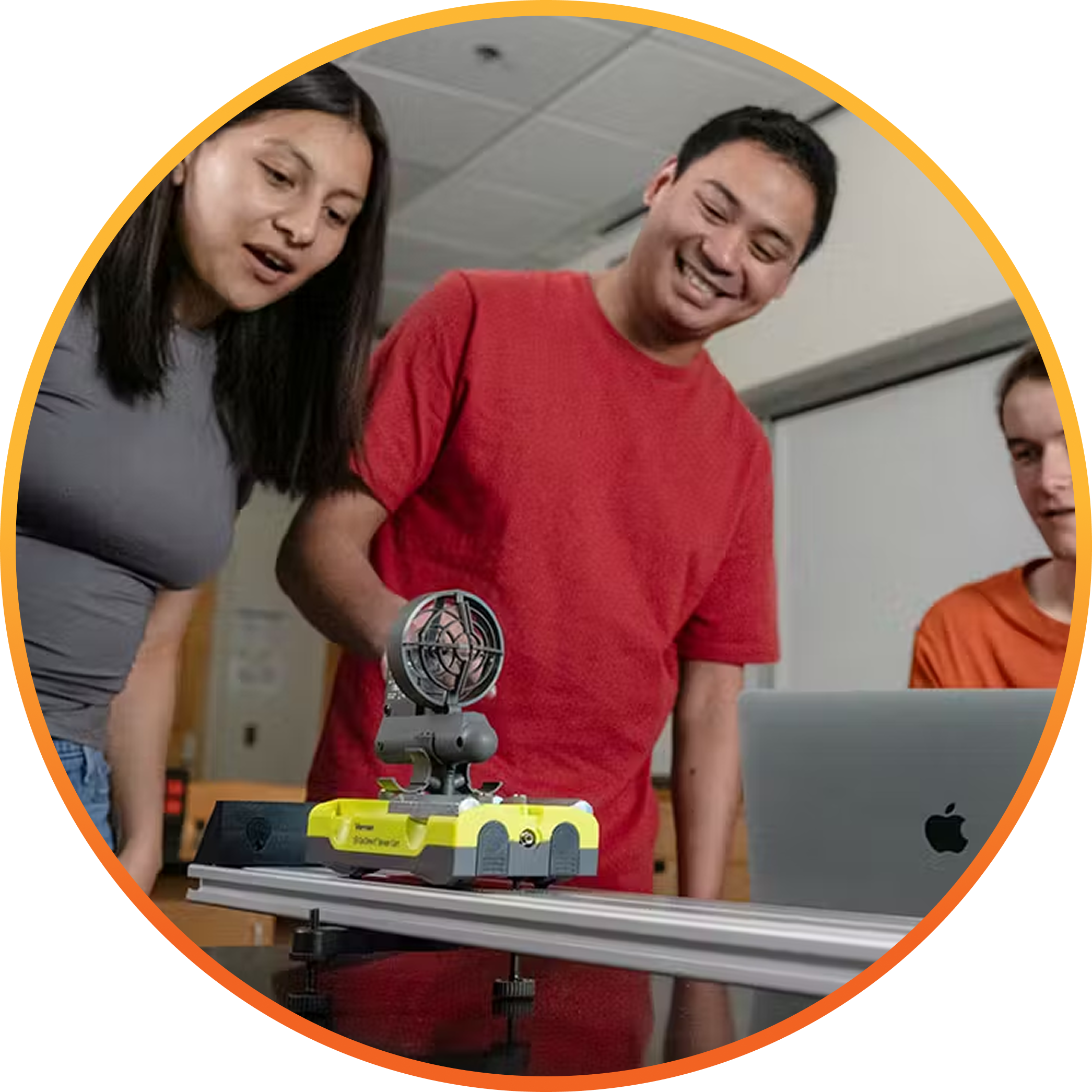
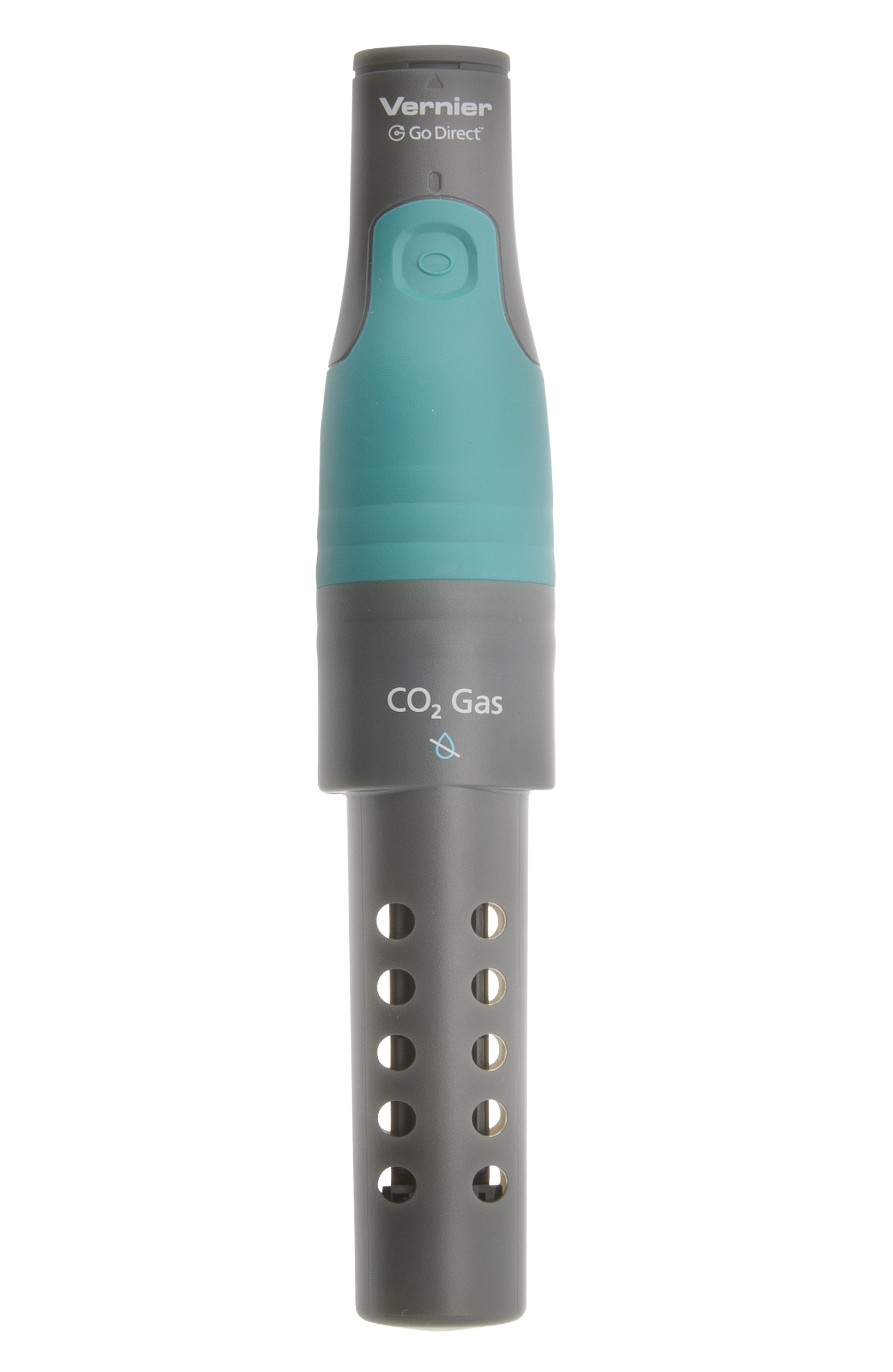
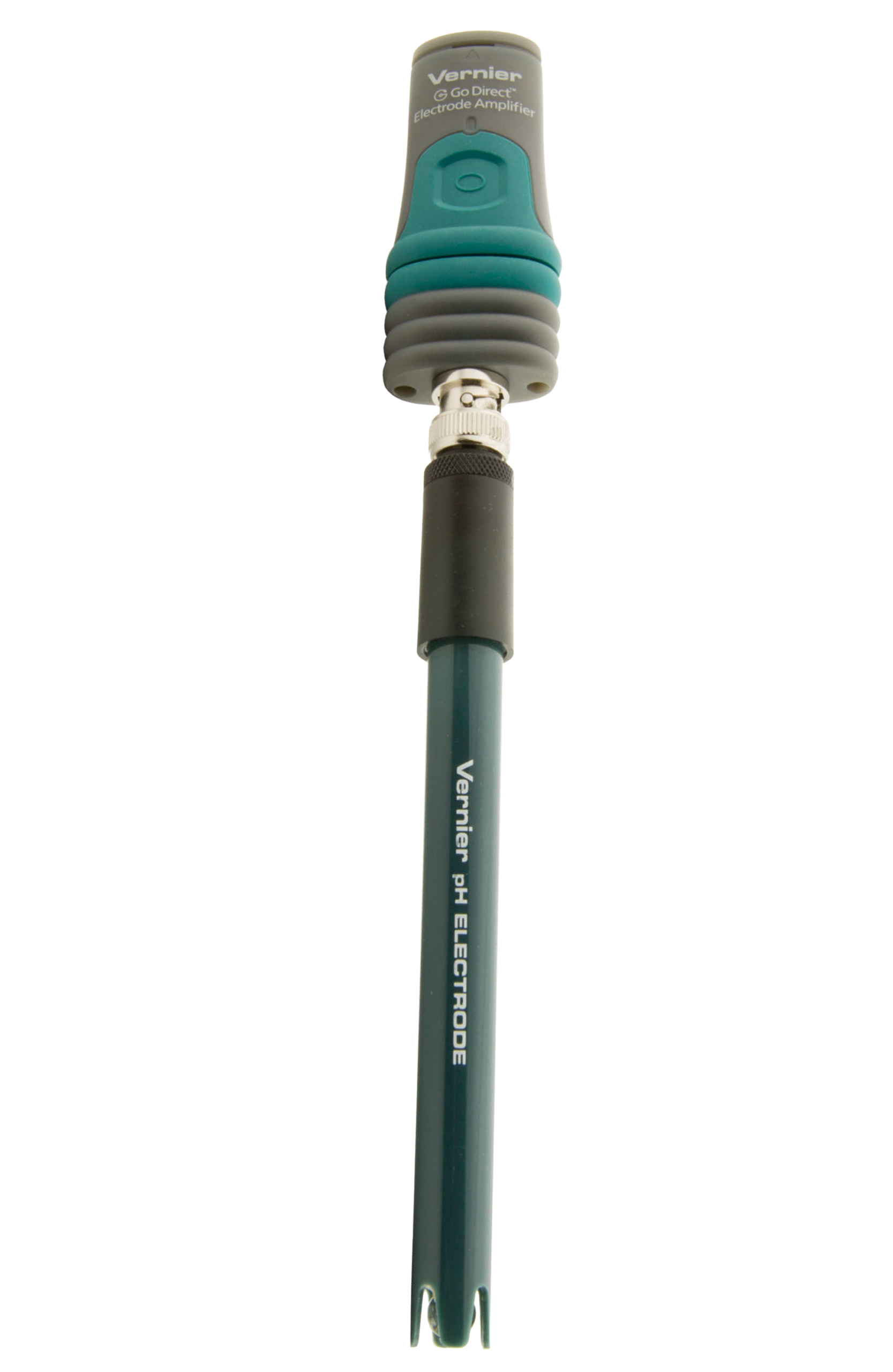
Investigations are powered by Go Direct wireless sensors—durable, student-friendly tools that build student fluency in lab technology. Sensor data streams directly into the platform, so students move easily between physical experiments and digital analysis without manual data entry or reliance on external tools like ChatGPT. Whether your district has sensors already or is building out for the first time, Vernier can help.
Explore Vernier Go Direct SensorsThis blend of digital and hands-on learning empowers students to:
Collaborate through shared data interpretation
Develop data literacy and computational thinking

Construct evidence-based explanations
Engage in authentic science and engineering practices
“Giving students the opportunity to investigate the world through data is one of the most valuable investments schools can make. When students discover a concept for themselves, that’s when the real learning happens. Those lightbulb moments are what make it all worthwhile.”
— Steve Millam, Physics and Astrophysics Teacher, Chaparral High School, AZ on using Vernier sensor technology in the classroom
Student-Led Exploration Across Core Content and Performance Expectations
From measuring carbon cycles to investigating collision forces, here's a sample of what hands-on science looks like with Vernier Connections® lessons.
Browse a sample of our lesson catalog below to see topics covered, featured phenomena, and aligned standards.
High School Biology
High School Chemistry
High School Physics
Why Hands-On Science Belongs in Every Classroom
Research consistently shows that when students collect and analyze their own real-time data, they develop deeper conceptual understanding, stronger data literacy, and greater engagement.
Explore the Research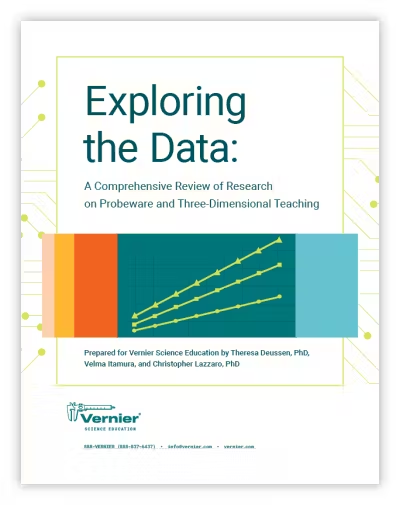
“Science is about asking questions, testing ideas, and learning from what the data shows. When students successfully conduct experiments, it changes how they see themselves and helps them realize what they are capable of.”
— Dr. Cecelia Gillam, AP Environmental Science and Honors Biology Teacher at Benjamin Franklin High School, LA