High-Quality Science for Every Student
Differentiated Text Complexity to Support Diverse Learners
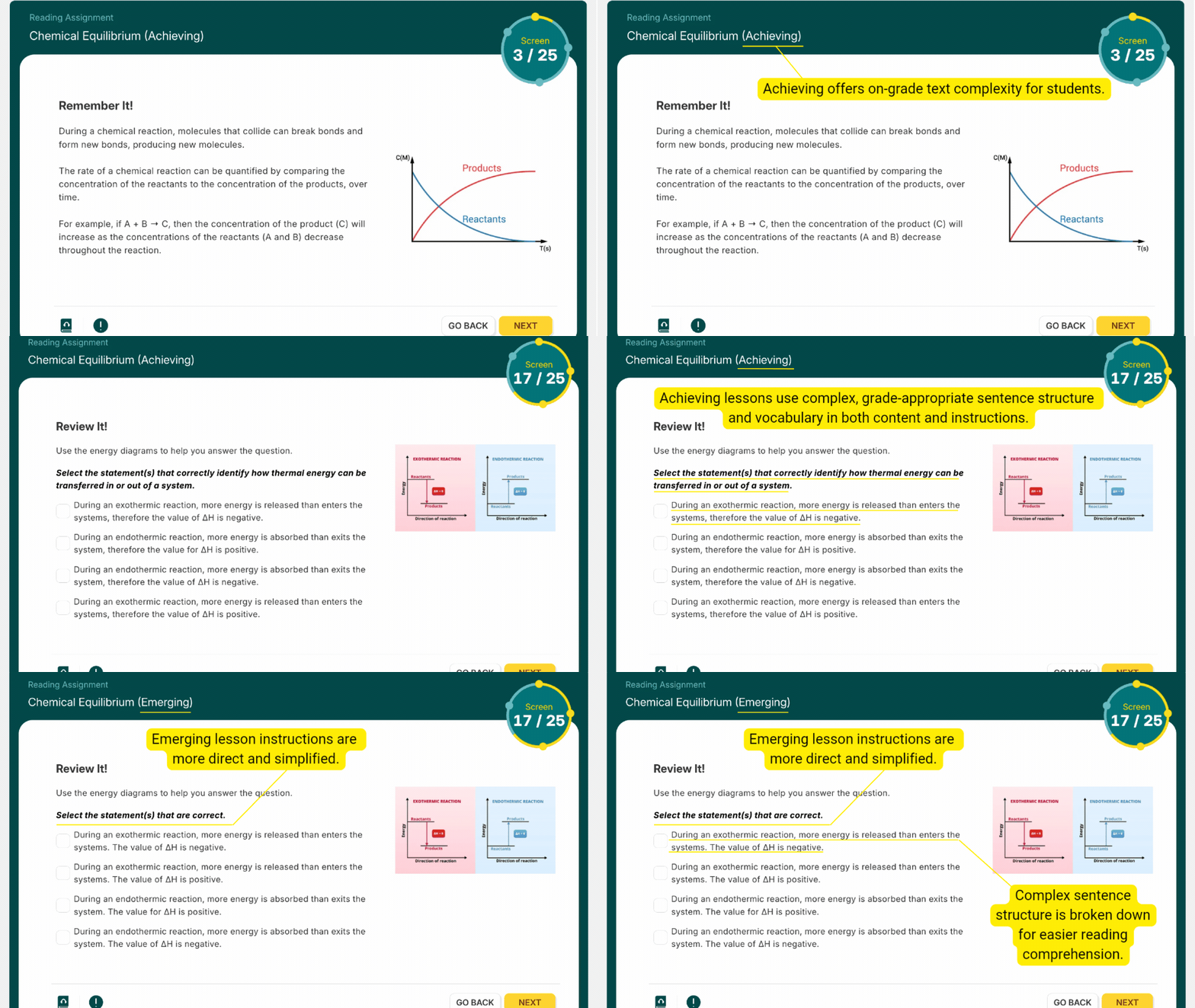
Most lessons and activities on the platform are available at two levels—emerging and achieving. Both versions cover the same science concepts, phenomena, and performance expectations. The difference is in readability: emerging activities are written slightly below grade level to support struggling readers and English Learners at early stages of acquisition, while achieving activities are written at or above grade level to challenge advanced learners.
Differences between the two versions include text chunking, sentence length, text complexity, and word choice—never the depth or rigor of the science itself. Teachers can assign the relevant version by class, intervention group, or individual student.
Personalized Learning Based on Student Mastery
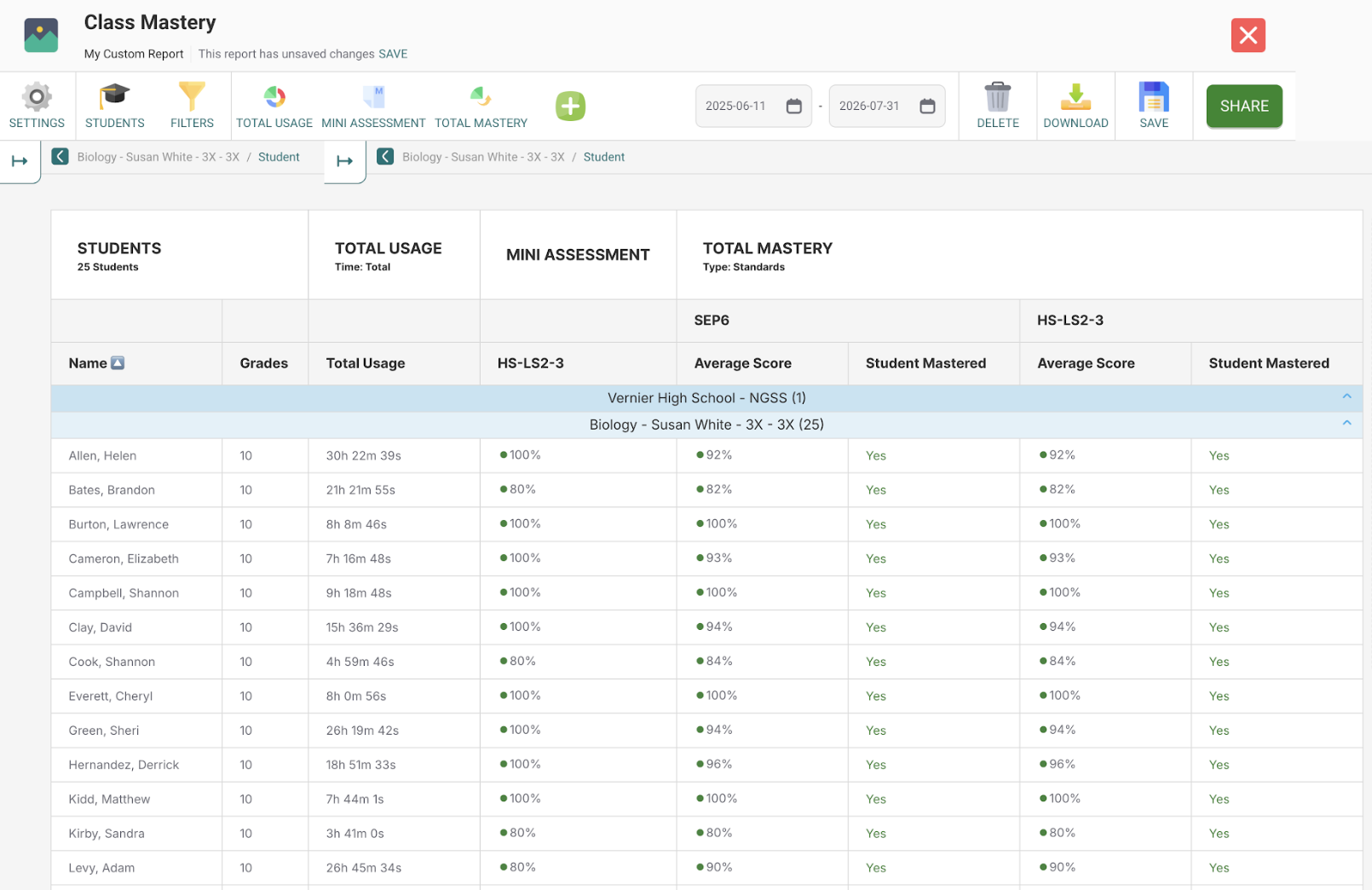
The platform goes beyond text complexity to personalize the entire learning experience. As students complete assessments, the platform uses mastery data to inform instruction—helping teachers identify which students need additional support and which are ready to accelerate.
Teachers can assign lessons and activities to specific students based on their performance, tailoring the learning path to match individual needs. Targeted reviews tied to upcoming assessments help ensure every student gets the practice most relevant to their learning progress—making the most of classroom time and driving better outcomes.
Built-In Tools That Remove Barriers to Learning
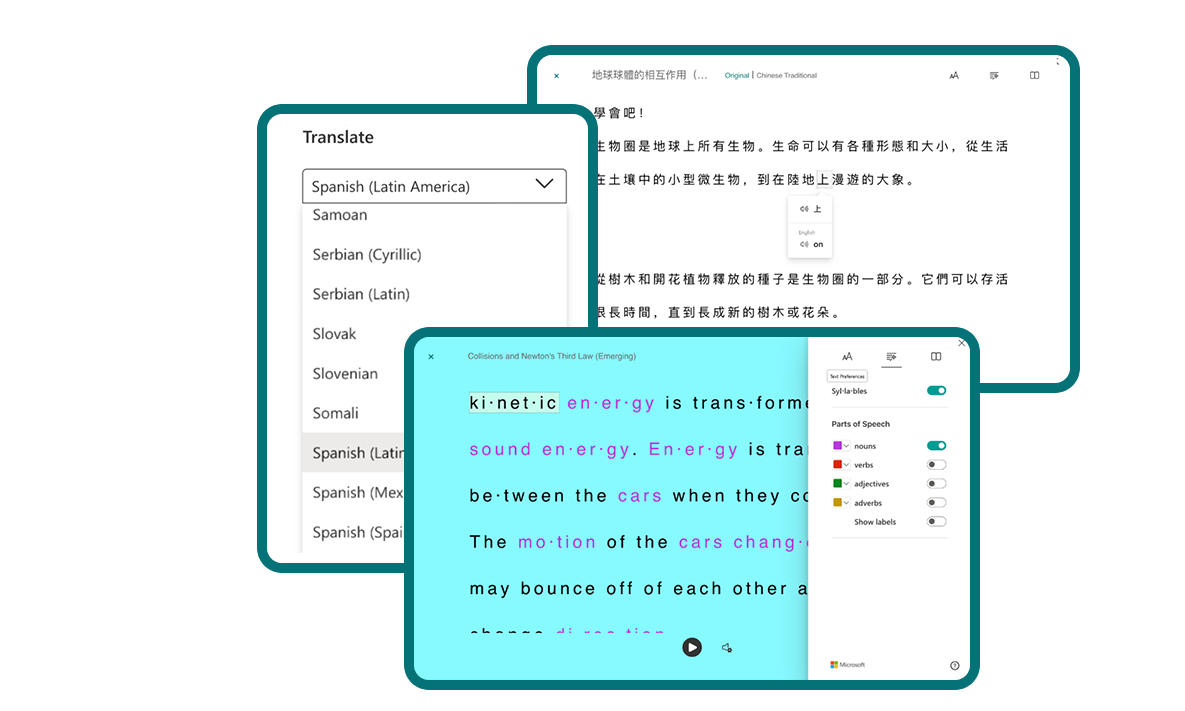
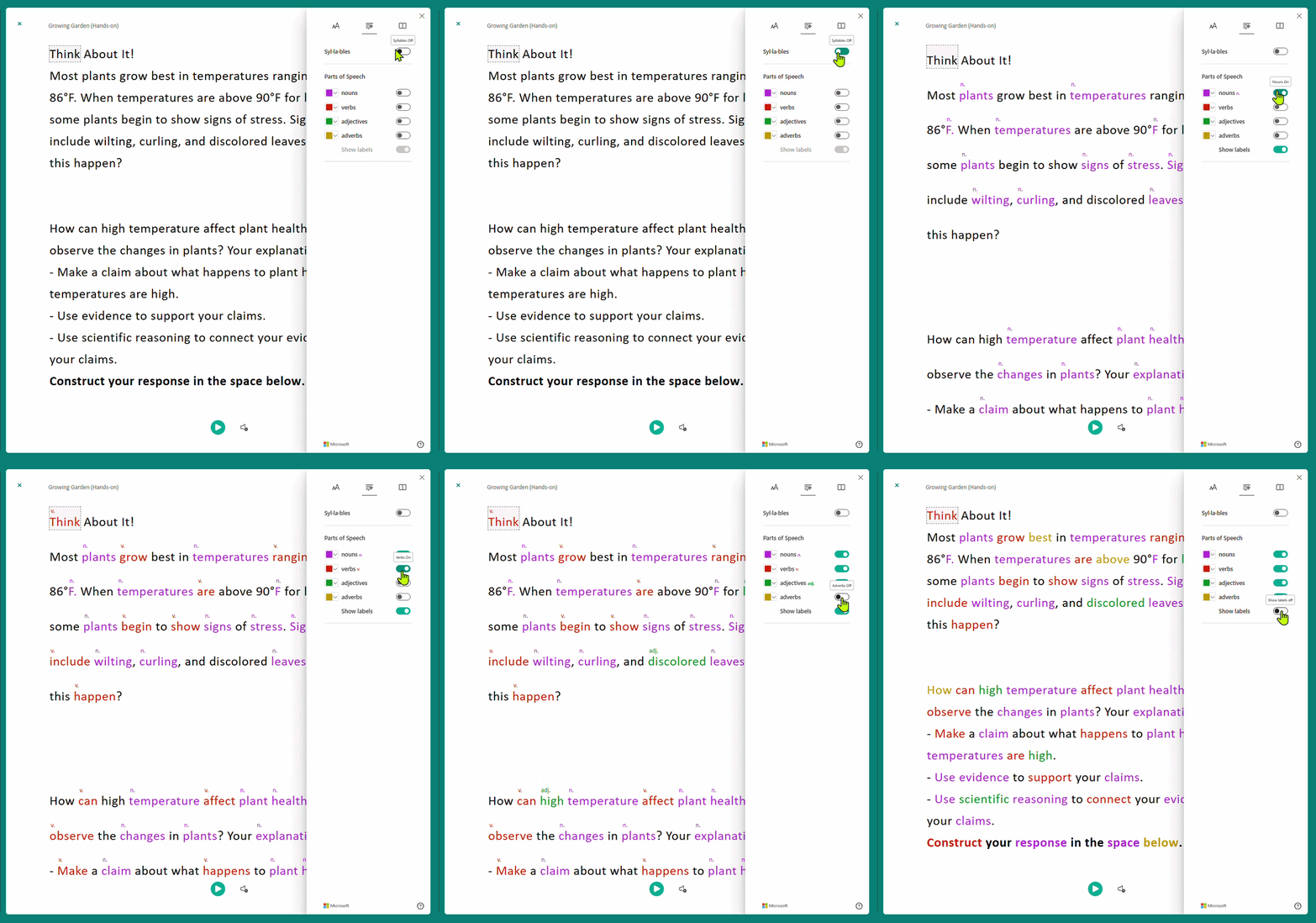
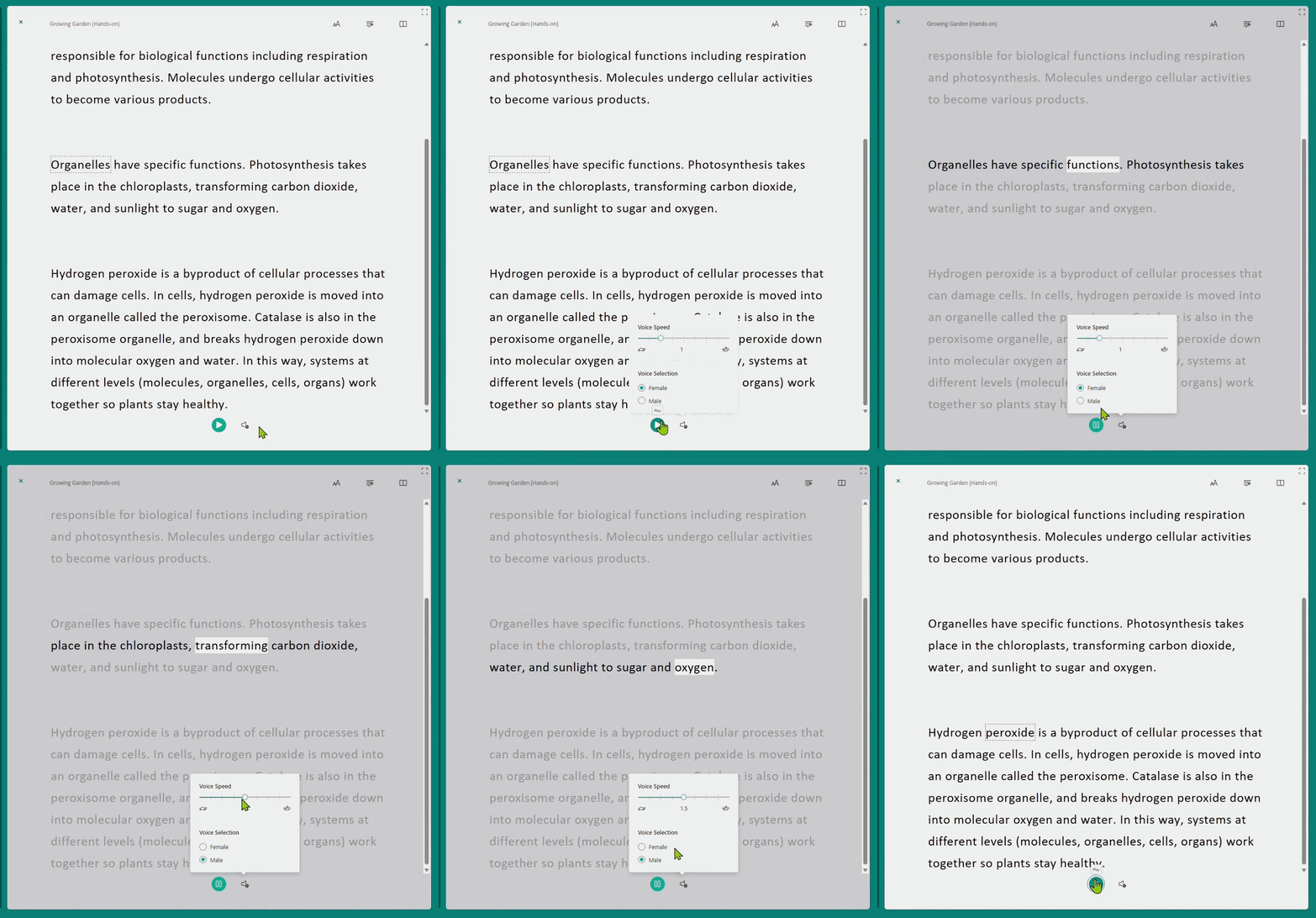
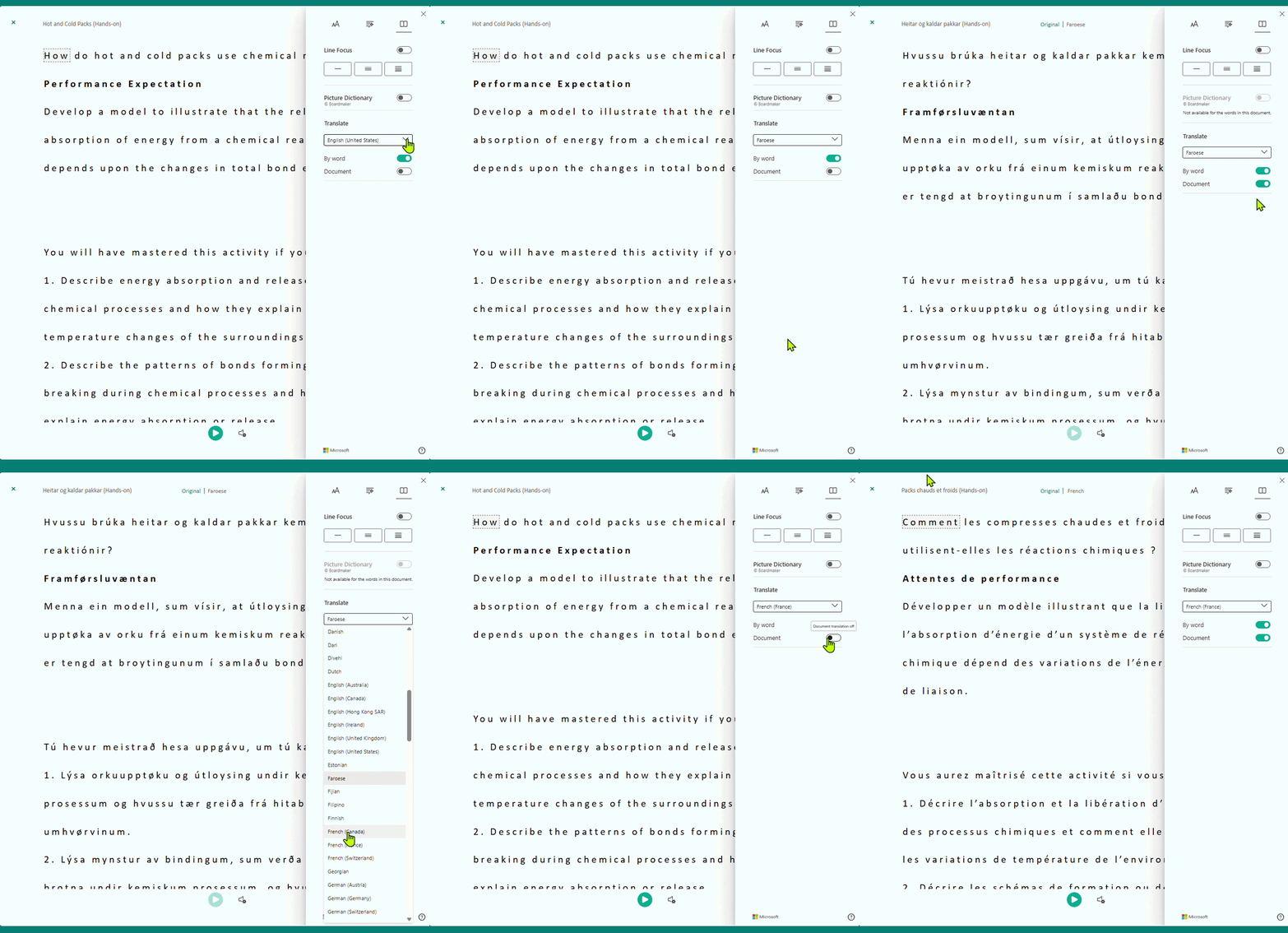
Vernier Connections® powered by Penda integrates Microsoft Immersive Reader directly into every lesson, giving students with a wide range of learning needs the support to engage with science content independently and confidently. Built on 20+ ESOL/EL best practices and Dr. Robert Marzano's high-yield instructional strategies, these tools are designed to keep every learner authentically engaged in science.
Building Science Knowledge Across Languages
Multiple Modes of Engagement
Lessons and activities in the platform engage students through multiple modes of instruction and expression, so every learner has a way in.
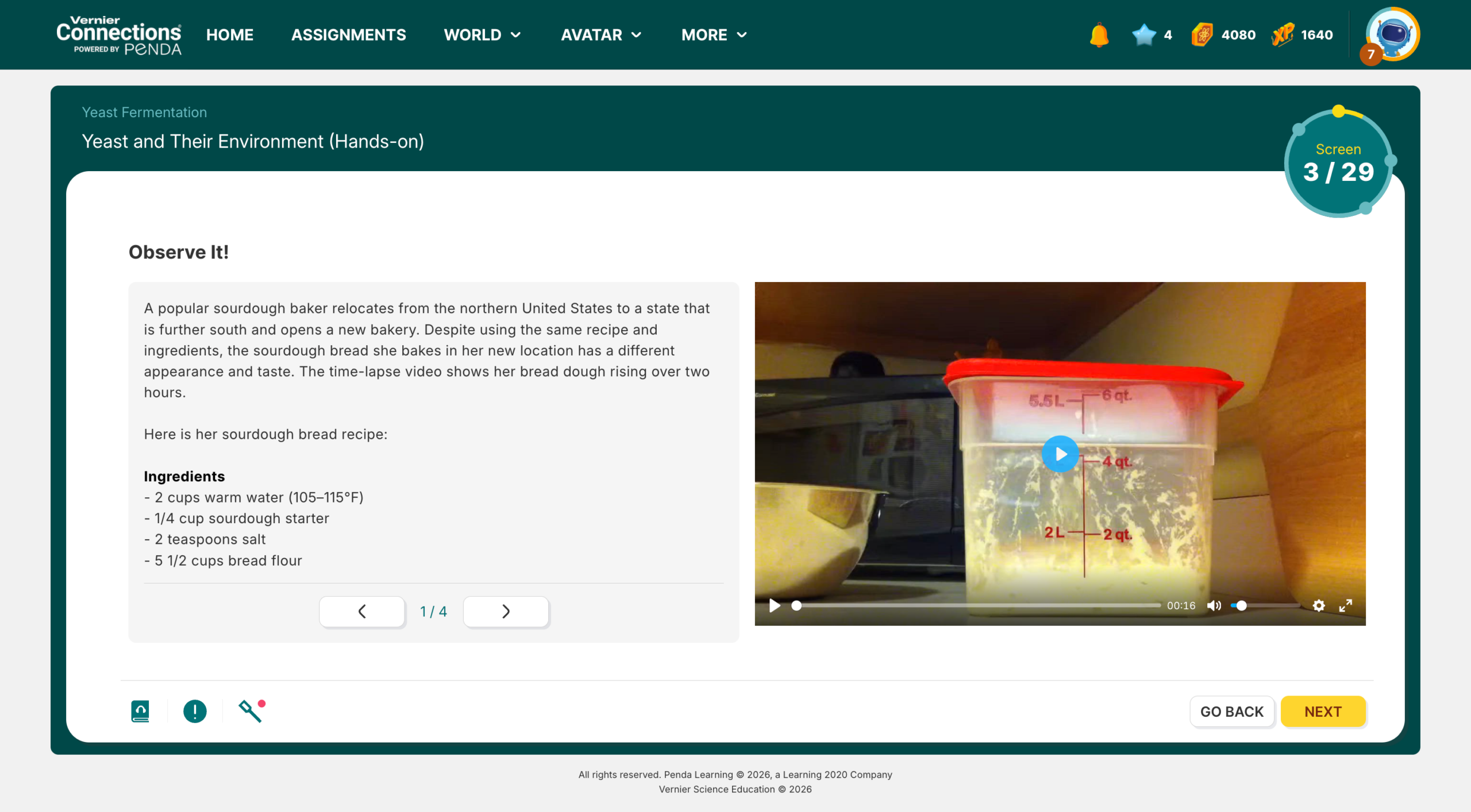
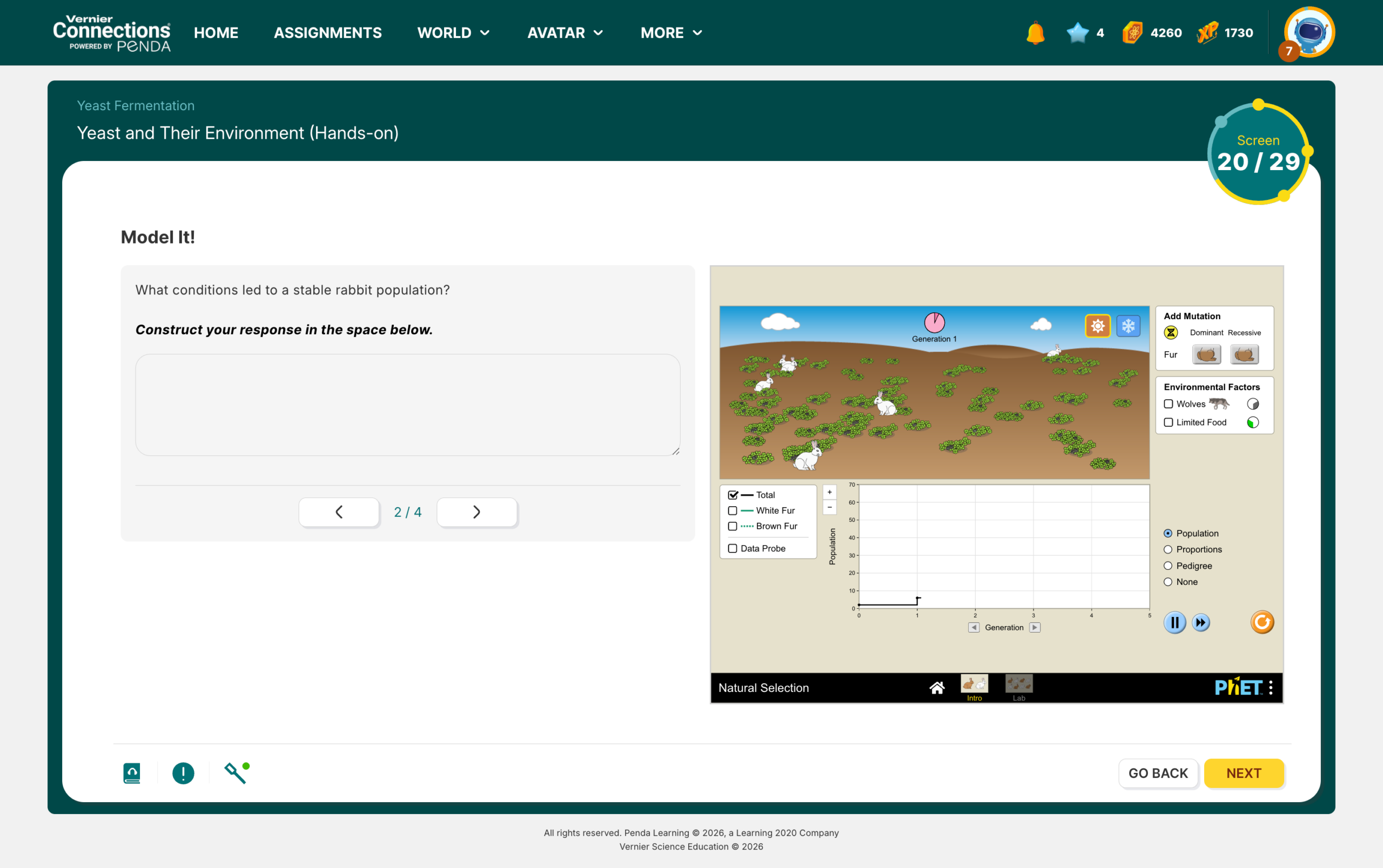
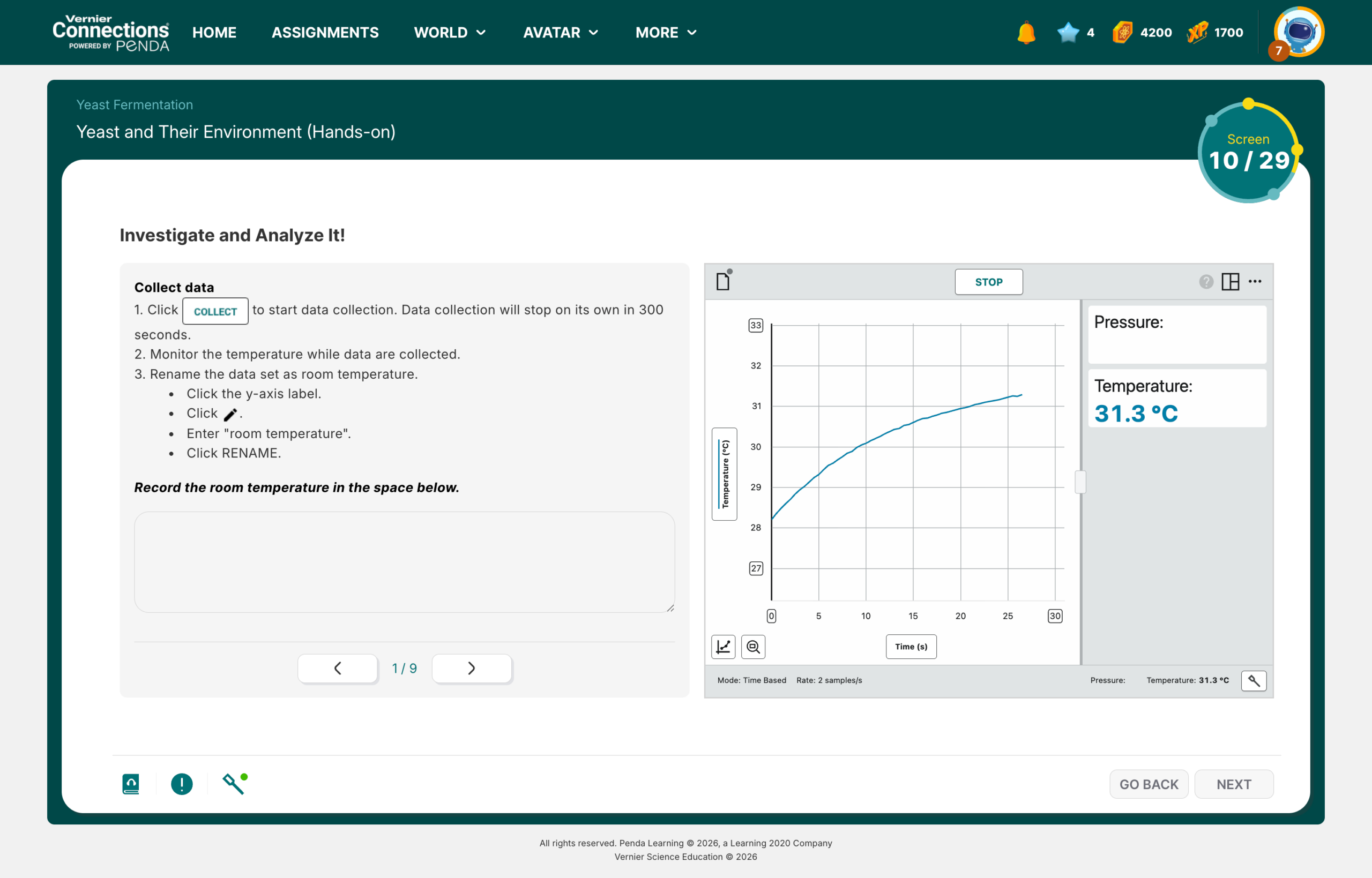
Students explore science concepts through a combination of multimedia, simulations, and hands-on investigations—giving them multiple entry points into complex phenomena. When it comes to demonstrating understanding, students aren't limited to a single format. They can write responses, select from answer options, or build visual models and representations using an interactive whiteboard that lets them integrate images, text, and data to communicate their thinking through models, explanations, and arguments.
Multimedia
Simulations
Hands-On Investigations
Progress Monitoring and Actionable Insights
The platform provides teachers with real-time insight into student understanding, and district leaders gain visibility across classrooms, schools, and grade levels—before gaps widen.
View Reports and Dashboards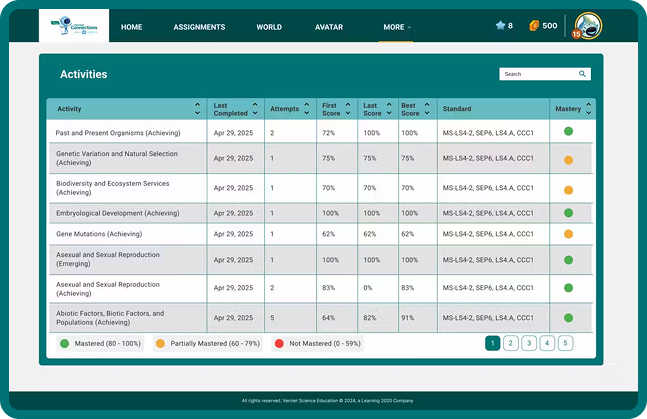
Blending the Strengths of Digital and Hands-On Learning
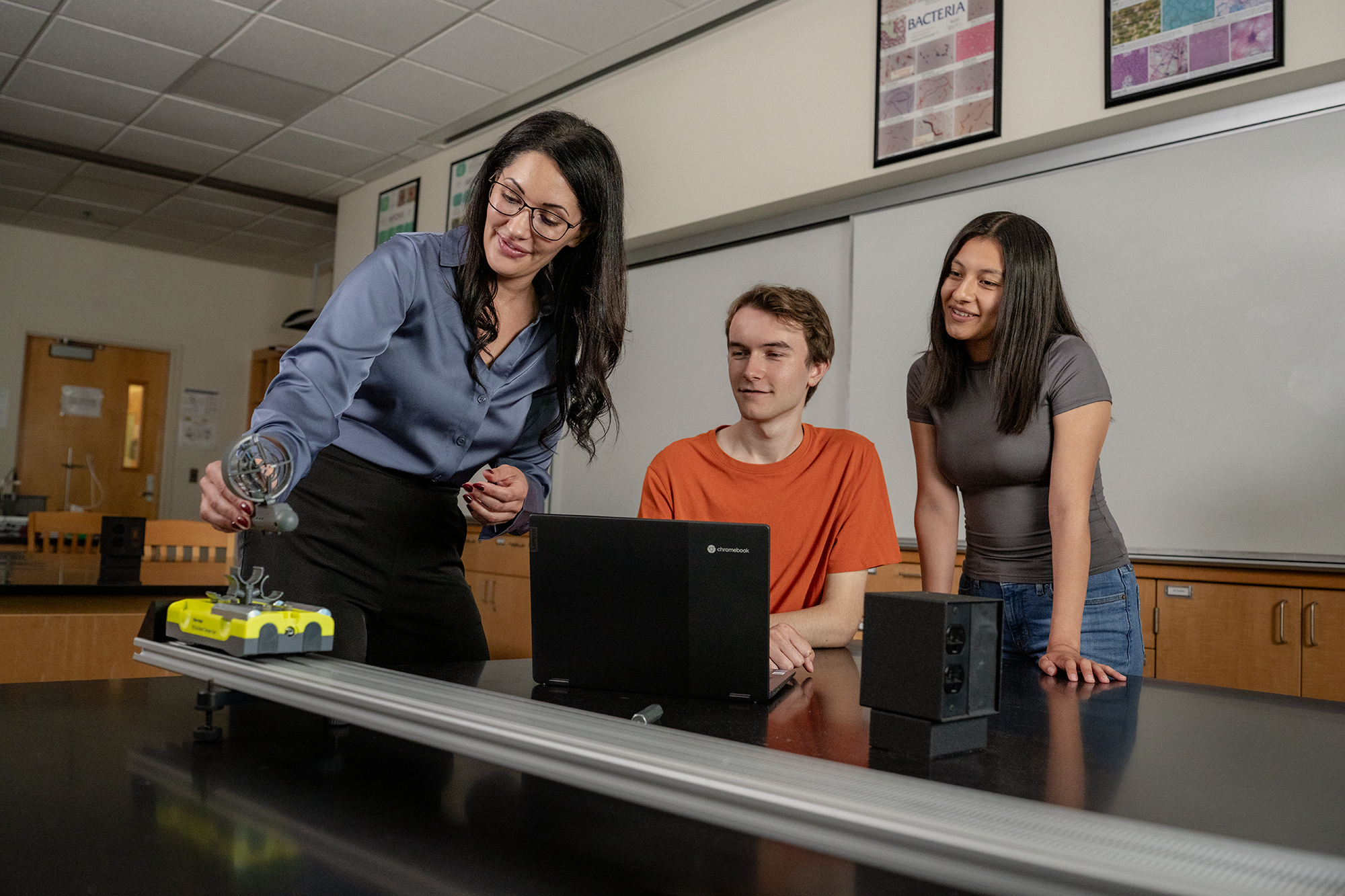
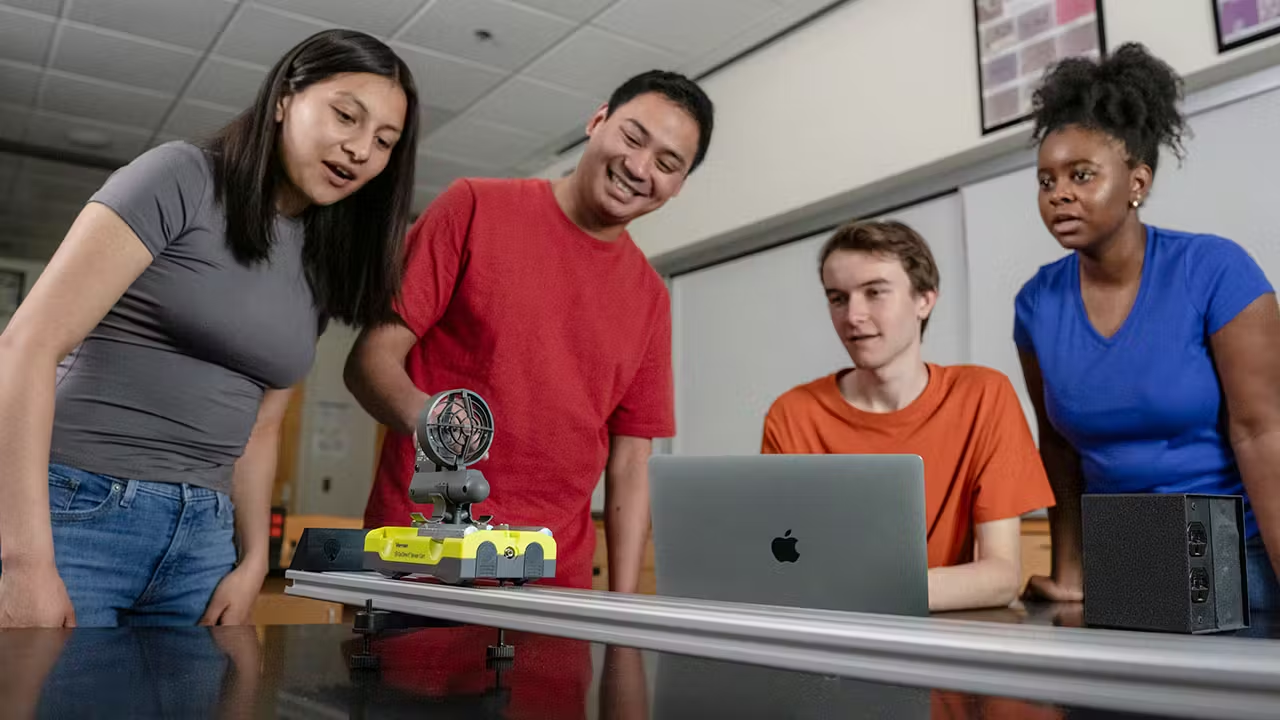
For grades 6–12, Vernier Connections® lessons integrate hands-on investigation using Go Direct® wireless sensors, bringing live data collection into digital learning. When students collect and analyze their own data, concepts become clearer, more relevant, and easier to connect to the real world.
Explore Hands-On Learning